

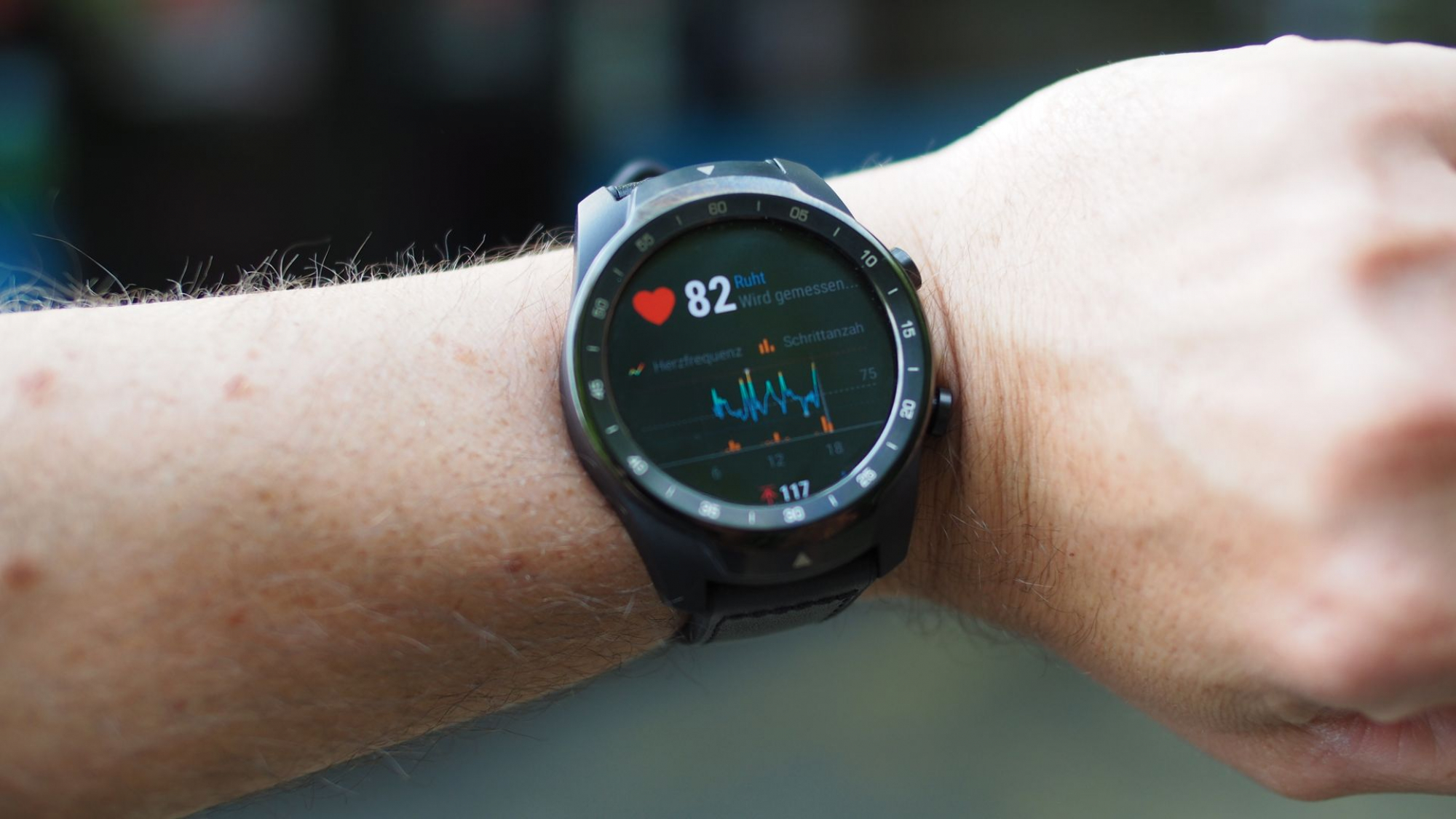
Training by heart rate turns guesswork into a plan. Instead of wondering whether you’re working hard enough, you aim for a specific beats-per-minute range that matches your goal — fat loss, endurance, or speed. This guide explains your maximum heart rate, the five training zones, the famous “fat burning zone,” and the more accurate Karvonen method. For instant numbers, use our free Heart Rate Zone Calculator.
How to Find Your Maximum Heart Rate
Your maximum heart rate (MHR) is the ceiling your heart can reach during all-out effort. Two common estimates:
Basic: Max HR = 220 − age. Tanaka (often more accurate): Max HR = 208 − 0.7 × age.
For a 30-year-old, that’s about 190 bpm. These are estimates — your real max can be 10–20 bpm higher or lower, and only a supervised test gives a precise figure.
The 5 Heart Rate Training Zones
- Zone 1 — Recovery (50–60%): very easy; warm-ups, cool-downs, active recovery.
- Zone 2 — Fat Burn (60–70%): comfortable, conversational; builds endurance and uses fat as fuel.
- Zone 3 — Aerobic (70–80%): moderate; improves overall cardio fitness.
- Zone 4 — Anaerobic (80–90%): hard; develops speed and performance.
- Zone 5 — Peak (90–100%): all-out; short intervals for max power.
The American Heart Association suggests most people train at 50–85% of max HR — roughly Zones 2 to 4 — for general fitness.
The Fat Burning Zone — Truth and Myth
Zone 2 (about 60–70% of max HR) is called the “fat burning zone” because your body uses the highest percentage of fat for fuel there. But the part people miss: higher zones burn more total calories per minute, so they can produce greater overall fat loss even though a smaller share comes directly from fat. The best results usually come from a mix — plenty of easy Zone 2 work to build an aerobic base, plus some higher-intensity intervals. Don’t stress about staying glued to one zone.
The Karvonen Method (More Personalized)
The basic method uses only your max heart rate. The Karvonen method also factors in your resting heart rate, a marker of fitness, for more tailored zones:
Target HR = ((Max HR − Resting HR) × intensity %) + Resting HR
Example: Max 190, resting 60, at 70% intensity → ((190 − 60) × 0.70) + 60 = 151 bpm. Because a fitter person has a lower resting heart rate and a bigger “reserve,” Karvonen is preferred by the American College of Sports Medicine for setting training intensity. Add your resting heart rate to the calculator to use it.
How to Measure Your Resting Heart Rate
Measure first thing in the morning, before getting out of bed. Find your pulse at the wrist or neck, count beats for 30 seconds, and double it. Average a few mornings for a reliable figure. A typical resting heart rate is 60–100 bpm; trained athletes are often below 60. If yours trends downward over weeks of training, that’s a sign your fitness is improving.
How to Use Zones for Your Goal
- Fat loss / general health: mostly Zone 2, with occasional Zone 4 intervals.
- Endurance (5K, 10K, marathon): a large base of Zone 2, some Zone 3–4 tempo work.
- Speed & power: short, hard Zone 4–5 intervals with full recovery.
- Recovery days: keep it in Zone 1 — easy really does mean easy.
A Note on Safety
Heart rate formulas are estimates, and some medications (like beta-blockers) change your heart rate significantly. If you have a heart condition, are pregnant, take heart medication, or have been inactive, check with a doctor before starting or intensifying exercise. Listen to your body — the “talk test” is a useful companion to the numbers: in Zone 2 you can hold a conversation; in Zone 4 you can only manage short phrases.
Frequently Asked Questions
What is my target heart rate?
For general fitness, aim for 50–85% of your max heart rate. Enter your age (and resting heart rate) in the calculator for exact bpm ranges.
How do I calculate max heart rate?
Use 220 − age, or the more accurate Tanaka formula 208 − 0.7 × age. Both are estimates.
What heart rate burns the most fat?
Zone 2 uses the highest percentage of fat, but higher zones burn more total calories. A mix is best for fat loss.
Is the Karvonen method better?
It's more personalized because it uses your resting heart rate, so it's preferred for trained individuals. Add your resting HR to use it.
Does the calculator work worldwide?
Yes — heart rate is measured in bpm everywhere, so it works in any country.
Find Your Heart Rate Zones Now
Train smarter, not just harder. Our free Heart Rate Zone Calculator gives your max heart rate and all five zones in bpm, with the Karvonen option for personalized targets — all in your browser, no sign-up. Pair it with our Pace Calculator, Calorie Calculator, and TDEE Calculator, or browse the full set of free online calculators.
More Free Calculators from BSM Sites
- Pace Calculator
- Calorie Calculator
- TDEE Calculator
- BMR Calculator
- Macro Calculator
- BMI Calculator
- Body Fat Calculator
- Ideal Weight Calculator
- Water Intake Calculator
- Sleep Calculator
- Ovulation Calculator
- Pregnancy Due Date Calculator
- Dog Age Calculator
- Cat Age Calculator
- Fraction Calculator
- Percentage Calculator
- Age Calculator
- Age Difference Calculator
- Date Calculator
- Time Calculator
- Hours Calculator
- Dice Probability Calculator
- VAT & GST Calculator
- Sales Tax Calculator
- Discount Calculator
- Tip Calculator
- Salary Calculator
- Salary Raise Calculator
- Net Worth Calculator
- Rent vs Buy Calculator
- Paycheck Calculator
- Mortgage Calculator
- Mortgage Payment Calculator
- Loan Calculator
- Loan EMI Calculator
- Compound Interest Calculator
- Debt Payoff Calculator
- Retirement Calculator
- Fuel Cost Calculator
- Square Footage Calculator
- Concrete Calculator
- Grade Calculator
- GPA Calculator
- Palworld Breeding Calculator
Add a Comment