

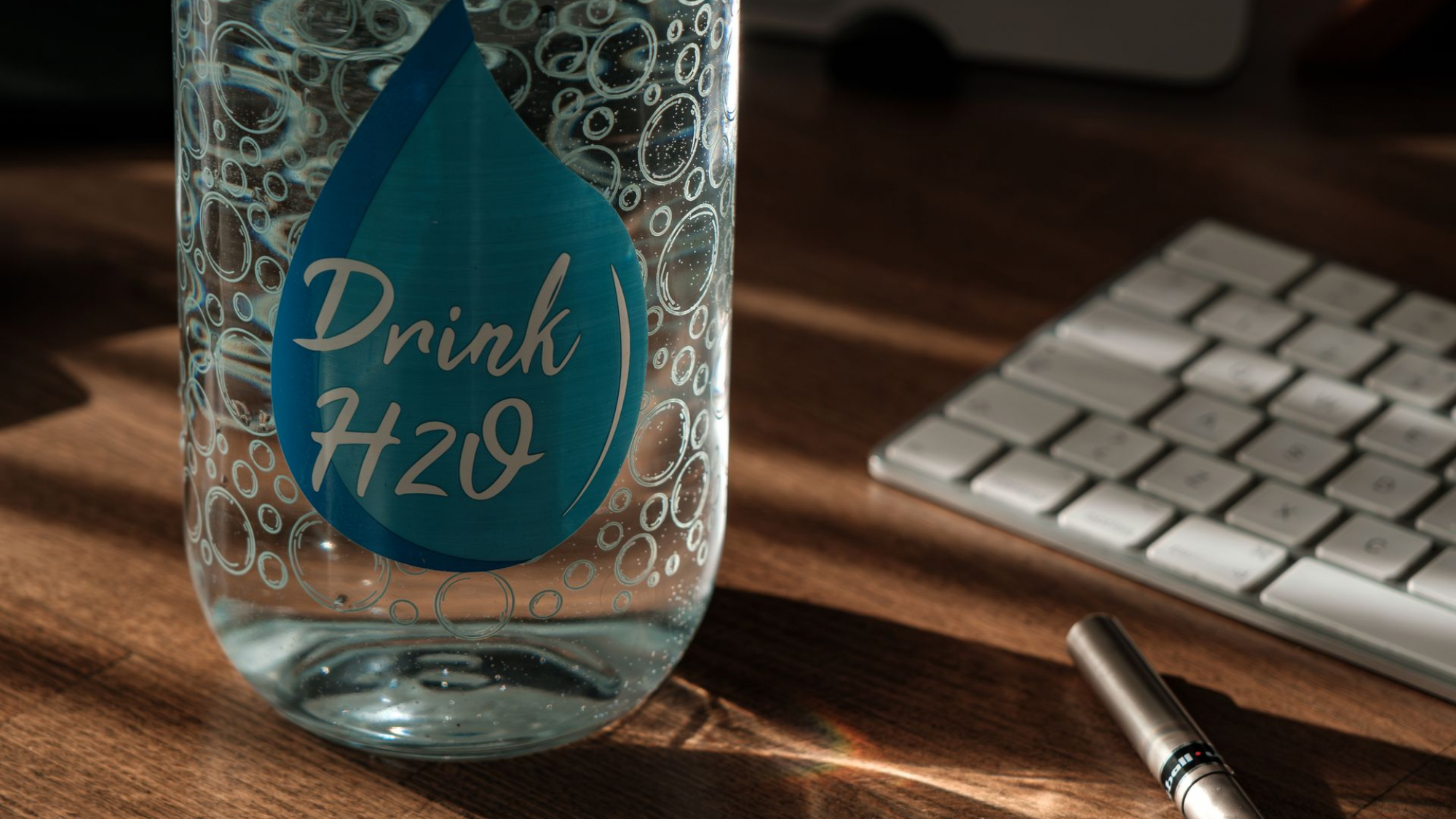
“Drink eight glasses a day” is the advice everyone’s heard — and it’s a guess that ignores your body, your activity, and the weather outside. The truth is your ideal water intake is personal. This guide shows you how to work out how much water you should actually drink a day, what counts toward it, how to spot dehydration, and simple ways to hit your target. For an instant, personalized number in any units, use our free Water Intake Calculator.
How Much Water Should You Drink a Day?
A practical, widely used baseline is about 30–35 ml of water per kilogram of body weight — roughly half a fluid ounce per pound. That puts most adults somewhere between 2 and 3 liters a day before any adjustments. Health authorities often cite general all-source targets of about 2.7 liters for women and 3.7 liters for men, which includes the water you get from food. Your real number sits within these ranges, nudged up or down by how active you are and the climate you live in.
Worked example
Take a 70 kg (154 lb) adult. Baseline: 70 × 33 ml ≈ 2,310 ml (about 2.3 liters). Add a 30-minute workout (~350 ml) and a warm climate (~8% more) and the target climbs to roughly 2,880 ml — close to 12 glasses. Change any of those inputs and the number shifts, which is exactly why a one-size rule falls short.
The Water Intake Formula
Here’s the logic our calculator follows:
Daily water = (weight × ~33 ml) + (~350 ml per 30 min exercise) + climate adjustment + pregnancy/breastfeeding allowance
Body weight sets the baseline because a larger body simply holds and uses more water. Exercise adds fluid to replace what you sweat out. Hot or humid weather increases needs further, while cold weather trims them slightly. Pregnancy and breastfeeding both raise the daily requirement.
What Counts Toward Your Water Intake?
Good news: it’s not just plain glasses of water. Nearly all fluids count, and so does a surprising amount of your food:
- All drinks — water, milk, tea, and even coffee contribute (the mild diuretic effect of caffeine is outweighed by the fluid itself).
- Water-rich foods — cucumber, watermelon, oranges, tomatoes, soups, and yogurt. Food provides roughly 20% of daily water for most people.
Because food chips in, the amount you need from drinking alone is usually a little less than your total target. Plain water is still the smartest primary source, especially when it’s hot or you’re exercising, since it adds no sugar or calories.
Signs You Might Be Dehydrated
Your body flags low fluid early. Watch for thirst, dark-yellow urine, dry mouth, fatigue, headache, dizziness, and trouble concentrating. The easiest daily check is urine color: pale straw-yellow usually means you’re well hydrated, while dark yellow is a cue to drink more. Note that strong thirst means you’re already running a deficit — so steady sipping beats waiting until you feel parched.
Does Drinking Water Help With Weight Loss?
Indirectly, yes. There’s no magic hydration trick, but water helps in two real ways: a glass before meals can make you feel fuller so you eat a little less, and choosing water over sugary drinks removes a large source of liquid calories. Treat water as a zero-calorie supporting habit alongside balanced eating — pair it with our Calorie Calculator and TDEE Calculator to see your full daily picture.
Easy Ways to Drink More Water
- Open with a glass right after you wake up.
- Keep a bottle in sight — visibility is the cheapest reminder there is.
- Drink before meals to build an automatic routine.
- Add natural flavor — lemon, cucumber, mint, or berries.
- Eat your water with hydrating fruits and vegetables.
- Pace yourself with a simple time-based schedule through the day.
Can You Drink Too Much Water?
It’s possible, but rare. Consuming a very large volume in a short window can dilute your blood sodium — a dangerous condition called hyponatremia, occasionally seen in endurance athletes who overdrink. For nearly everyone, spreading sensible amounts across the day is completely safe. The aim is consistency at a reasonable target, not forcing down as much as you can. And if a medical condition affects how much you should drink, your doctor’s guidance always comes first.
Frequently Asked Questions
How much water should I drink a day by weight?
Around 30–35 ml per kilogram of body weight is a solid baseline — about 2 to 3 liters for most adults — then add more for exercise and hot weather. The calculator does this for you.
Does coffee or tea count toward hydration?
Yes. The fluid in tea and coffee counts toward your daily total despite the mild diuretic effect of caffeine. Plain water remains the best primary source, especially during exercise or heat.
How many glasses of water is 2 liters?
About 8 glasses, using a standard 250 ml glass. In cups (240 ml each), 2 liters is roughly 8.3 cups.
Should I drink more water when it's hot or when I exercise?
Yes to both. Heat, humidity, and sweat all increase fluid loss, so your needs rise. The calculator factors in your activity level and climate to adjust the target.
Is the calculator's number just from drinking?
No — it's your total water from all sources. Since food provides about 20%, the amount you need from drinks alone is usually a little lower than the headline figure.
Find Your Daily Water Target
Stop guessing at “eight glasses.” Our free Water Intake Calculator gives you a personalized daily target from your weight, activity, and climate — shown in liters, milliliters, cups, and glasses, with a suggested drinking schedule and no sign-up. Build the rest of your health routine with our BMI Calculator, Calorie Calculator, TDEE, and Macro Calculator, or explore the full set of free online calculators.
More Free Calculators from BSM Sites
- BMI Calculator
- Body Fat Calculator
- Calorie Calculator
- TDEE Calculator
- BMR Calculator
- Macro Calculator
- Pace Calculator
- Ovulation Calculator
- Pregnancy Due Date Calculator
- Salary Calculator
- Net Worth Calculator
- Rent vs Buy Calculator
- Paycheck Calculator
- Mortgage Calculator
- Mortgage Payment Calculator
- Loan Calculator
- Loan EMI Calculator
- Compound Interest Calculator
- Debt Payoff Calculator
- Retirement Calculator
- Sales Tax Calculator
- Discount Calculator
- Tip Calculator
- Percentage Calculator
- Fuel Cost Calculator
- Age Calculator
- Date Calculator
- Time Calculator
- Hours Calculator
- Square Footage Calculator
- Concrete Calculator
- Grade Calculator
- GPA Calculator
- Palworld Breeding Calculator
Add a Comment